
Sasol is a global chemicals and energy company. We harness our knowledge and expertise to integrate sophisticated technologies and processes into world-scale operating facilities. We safely and sustainably source, produce and market a range of high-quality products, creating value for stakeholders.

Through proprietary technologies and processes the main products Sasol produces are fuel components, chemical components and co-products. From these main products and further value-adding processes we deliver diesel, petrol (gasoline), naphtha, kerosene (jet fuel), liquid petroleum gas (LPG), olefins, alcohols, polymers, solvents, surfactants, co-monomers, ammonia, methanol, crude tar acids, sulphur, illuminating paraffin, bitumen and fuel oil. Even further processing produces numerous additional products.

Advancing chemical and energy solutions that contribute to a thriving planet, society and enterprise.

Sasol's investors consist of both equity investors (those invested in the Sasol ordinary shares or the ADRs) and lenders/debt investors (banks and institutional investors lending to Sasol or investing in its issues of debt instruments such as local bonds, offshore bonds, commercial paper issues, project finance, loans and other credit facilities and convertible instruments).

Supply Chain is the custodian of all external spend for the Sasol Group. It is responsible for managing supply and demand so as to ensure cost-efficiency and maximise return on spend, while at the same time ensuring effective logistics of a range of deliverables.

Explore existing opportunities to energise your career to the next level. Whether you are seeking a Learnership or you are Student or Graduate or Experienced Hire. Find out how you can add value to the Sasol Team.

Access media releases and view latest social media updates
Sustainable Aviation Fuel (SAF)
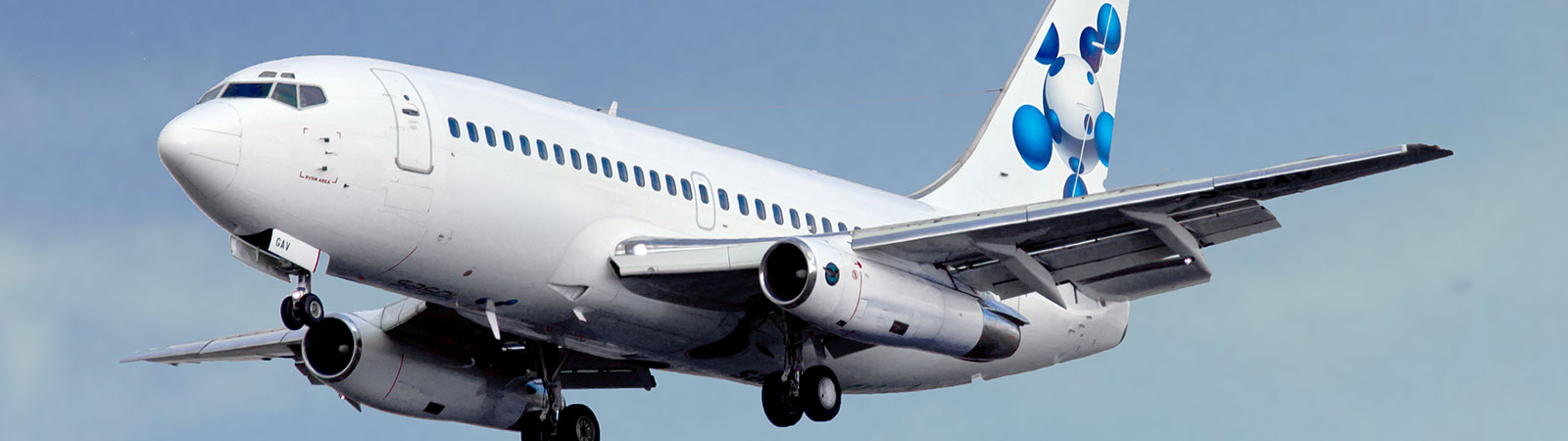
SAF is an umbrella term for low carbon fuel alternatives to conventional fossil-based jet fuel and has been identified as key lever in the decarbonisation of the aviation industry. The chemical and physical characteristics of SAF are almost identical to those of conventional jet fuel and they can be safely mixed with the latter (currently up to a maximum of 50% by volume). Additionally, the same supply infrastructure can be used for distribution and does not require the adaptation of aircraft or engines. Fuels with these properties are called “drop-in fuels” (i.e. fuels that can be incorporated into existing fuelling systems).
SAF demand is primarily driven by the need to decarbonise the aviation industry. Aviation is responsible for approximately 2-3% of global carbon dioxide (CO2) emissions, with bodies such International Air Transport Association (IATA) and International Civil Aviation Organisation (ICAO) targeting net zero carbon emissions by 2050.
Despite operational and technical advancements that can reduce some emissions, flying remains highly energy-intensive, meaning aircraft will continue to depend on energy-dense liquid fuels for the foreseeable future. Additionally, given the long lifespan of current fuel-powered aircraft, which are likely to remain in use beyond 2030 before new technologies are widely adopted, the production and use of Sustainable Aviation Fuel (SAF) is essential for mitigating emissions in the aviation industry.
Sasol
Sasol has over 75-years experience in the innovative Fischer Tropsch (FT) technology, with existing assets that could be repurposed to support SAF production. Our competitive advantage lies in our advanced technical capabilities in the production of synthetic fuel. Our proprietary Fischer-Tropsch (FT) technology is feedstock-agnostic, meaning it can process a wide range of raw materials, including renewable sources. This flexibility allows us to leverage readily available sustainable feedstocks in South Africa, and existing infrastructure and distribution channels to efficiently produce and supply SAF. By utilizing these existing assets, we minimize the costs, delays, and environmental impacts typically associated with transitioning to new energy sources, ensuring a smoother and more sustainable shift to SAF.
In the short to medium-term Sasol will consider various sustainable feedstocks such as Used Cooking Oil/non-edible vegetable oil, biogenic and recycled feedstocks to enable the production of SAF in our existing assets (Secunda, Sasolburg and Natref). Sasol is in parallel to producing sustainable fuels, evaluating how to unlock the upstream industry through the growing of non-edible vegetable crops on degraded mine land, as a way to secure affordable feedstock and ultimately supply sustainable fuels to the customers at an affordable price.
Secunda:
Sasol Secunda can produce a semi-synthetic jet fuel component (Jet A-1) according to technical certification ASTM D7566 Annex A1, enabling blending with fossil jet fuel up to 50%. Through the gradual replacement of the fossil feedstock with more sustainable feedstock, the facility can produce up to 80 ktpa of SAF under the current ASTM D7566 certification. However, the facility has the potential to scale-up production up to 300 ktpa of SAF by acquiring additional ASTM D7566 certification.
Sasol’s SAF Scale Up forecast and timelines: