
Product development towards less hazardous formulations

When developing new products for existing or new applications, Sasol aims to minimise the hazard potential as far as reasonably possible while maintaining the desired function of the product. In most instances the hazard potential correlates directly with the intended physico-chemical properties of the products, however some may warrant minor modifications to reduce the hazard while maintaining the desired substance properties that make them useable and safer in customers’ applications.

When developing new products for existing or new applications, Sasol aims to minimise the hazard potential as far as reasonably possible while maintaining the desired function of the product. In most instances the hazard potential correlates directly with the intended physico-chemical properties of the products, however some may warrant minor modifications to reduce the hazard while maintaining the desired substance properties that make them useable and safer in customers’ applications.

Designing safe products

Our commitment to providing a safe and competitive product portfolio involves an ongoing review process. Through our global team of Sasol experts, we proactively and continuously scan regulations, screen peer-reviewed scientific research on chemical safety, and engage in product development. This enables us to anticipate any legal changes that may impact products ahead of formal regulatory adoption.

Sasol adheres to various environmental and safety standards:

  • REACH Compliance: Sasol has two substances (occurring as impurities) listed on the European Union’s REACH SVHC candidate list and no products on the authorisation list.
  • Montreal Protocol and Stockholm Convention: Sasol’s value chain avoids materials related to these multilateral environmental agreements.
  • Basel Convention: Sasol exports spent catalysts with precious metals for recovery, reducing the need for mining and promoting a circular economy.
  • International Cyanide Management Code: One Sasol product is certified under this voluntary code.


Safe transport of products

Submitted by Lefa on

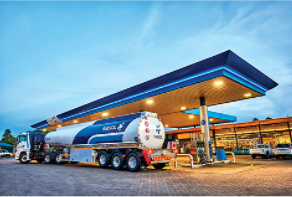
Sasol is committed to safe and responsible distribution of our products and to proactively mitigate any potential ‘in transit’ incidents. Compliance with applicable regulatory requirements regarding transporting, handling and storage of our products, as well as prevention of incidents and responsible management of incidents, remains a minimum imperative.

Portfolio optimisation to safer, sustainable alternatives

Submitted by Lefa on

Sasol aims to meet the evolving needs of customers by providing products fit-for-safe and sustainable use. Although many of Sasol’s products are not classified as hazardous, or classified only for acute potential health effects e.g. irritation, we continuously review known applications of all our products to improve its SHE impact with the objective of preventing unacceptable risks to life and environment. We remain committed to innovate for safe and sustainable alternatives.

Product development towards less hazardous formulations

Submitted by Lefa on

When developing new products for existing or new applications, Sasol aims to minimise the hazard potential as far as reasonably possible while maintaining the desired function of the product. In most instances the hazard potential correlates directly with the intended physico-chemical properties of the products, however some may warrant minor modifications to reduce the hazard while maintaining the desired substance properties that make them useable and safer in customers’ applications

Risk-based approach to chemicals management

Submitted by Lefa on

Within Sasol, various governance measures and practices are in place to mitigate potential risks across the life cycle of our products, with risk assessments performed for all products as informed by different national and regional requirements. Critical to the risk assessment process is input on the inherent substance hazard potential provided through the hazardous product classification applying the Global Harmonized System with applicable jurisdictional chemical control regulatory requirements.

Communication on product hazards

Submitted by Lefa on

Potential hazards of all Sasol’s products are communicated to stakeholders via appropriately detailed hazard communication documents, including Safety Data Sheets aligned with the Globally Harmonized System of Classification and Labelling, Regulatory Information Sheets, engagements and training as necessary.